Electronics18 min read
Function Generator vs Arbitrary Waveform Generator: What You Are Buying
Three names, two architectures: how DDS and point-by-point playback differ, what the labels hide, and how to read the architecture off a datasheet.
Circuit design, components, and power systems — from PCB layout fundamentals to advanced embedded platforms.
24 articles
A complete guide to electronic test and measurement — oscilloscopes, multimeters, spectrum analyzers, how to choose instruments, CAT safety ratings, and measurement best practices.
How ESD control and cleanroom contamination control work together: standards, materials, grounding, equipment families and practical design guidance.
Electronics18 min read
Three names, two architectures: how DDS and point-by-point playback differ, what the labels hide, and how to read the architecture off a datasheet.
How to turn a required stimulus into datasheet requirements: the load the instrument assumes, bandwidth against sample rate, reconstruction and vertical resolution.
· 23 min read
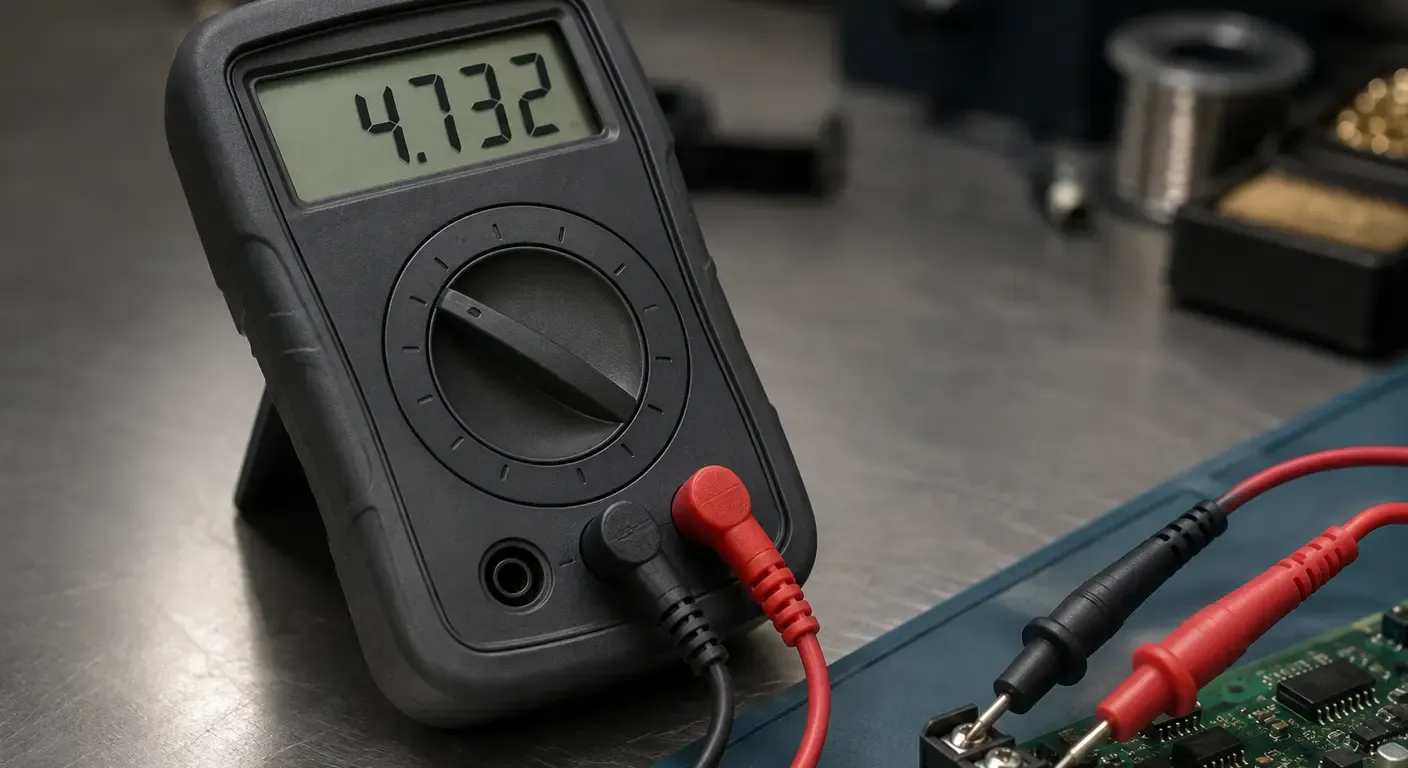
Choose a multimeter by the errors it introduces: burden voltage, input loading, AC bandwidth, safety category and accuracy on the reading you actually take.
· 22 min read
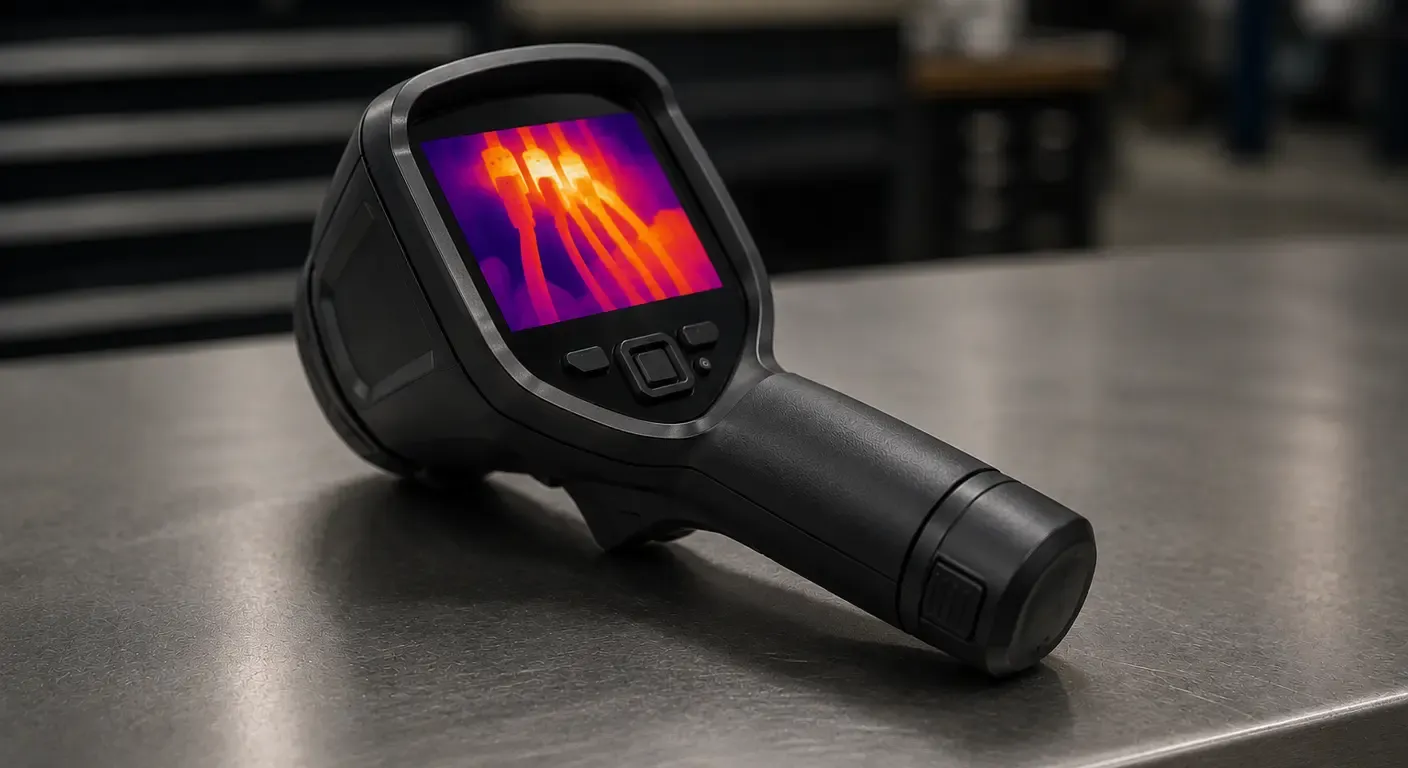
A thermal camera always shows a number. Learn the checks — emissivity, reflected temperature, focus and spot size — that decide whether it is a measurement.
· 16 min read
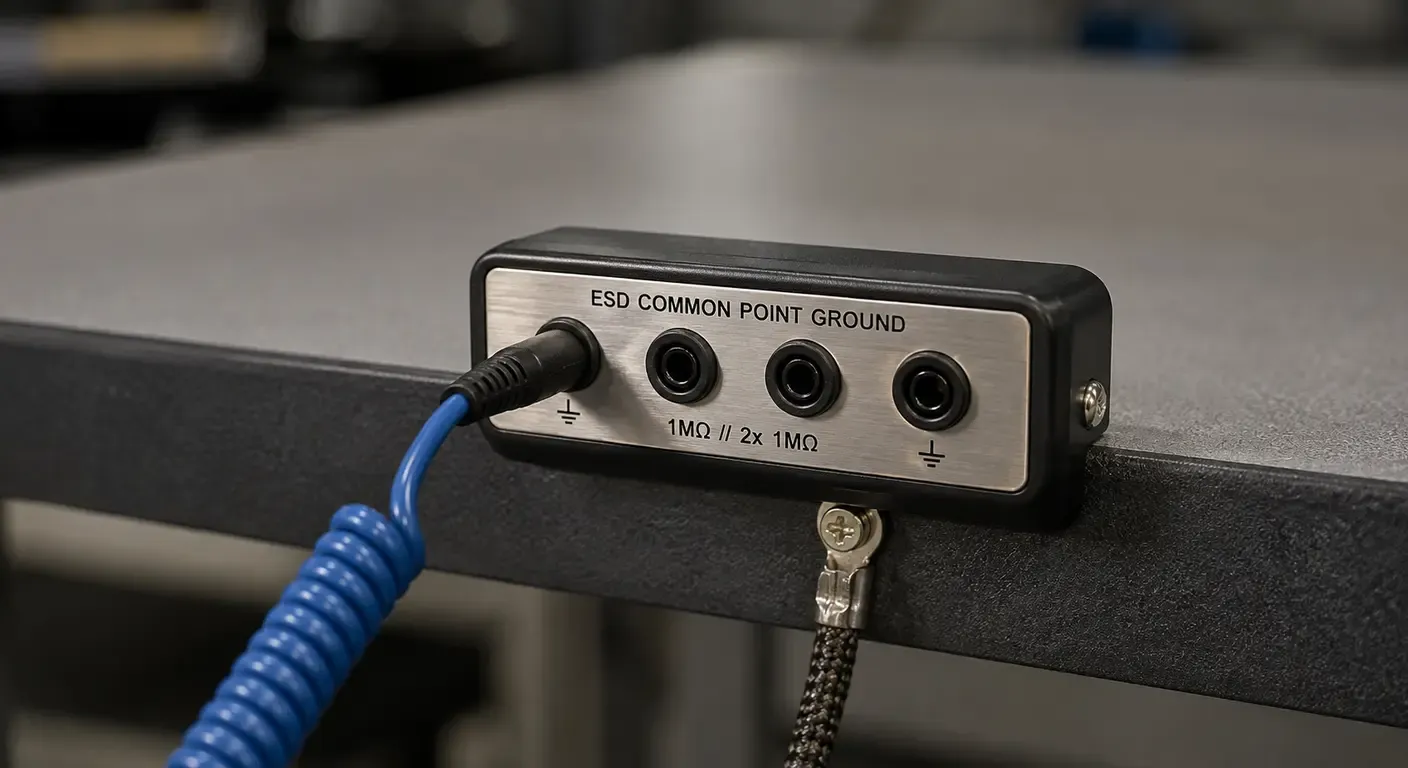
How the elements of an ESD workstation bond to a common point ground, where each one belongs on the bench, and what layout mistakes survive a component check.
· 25 min read
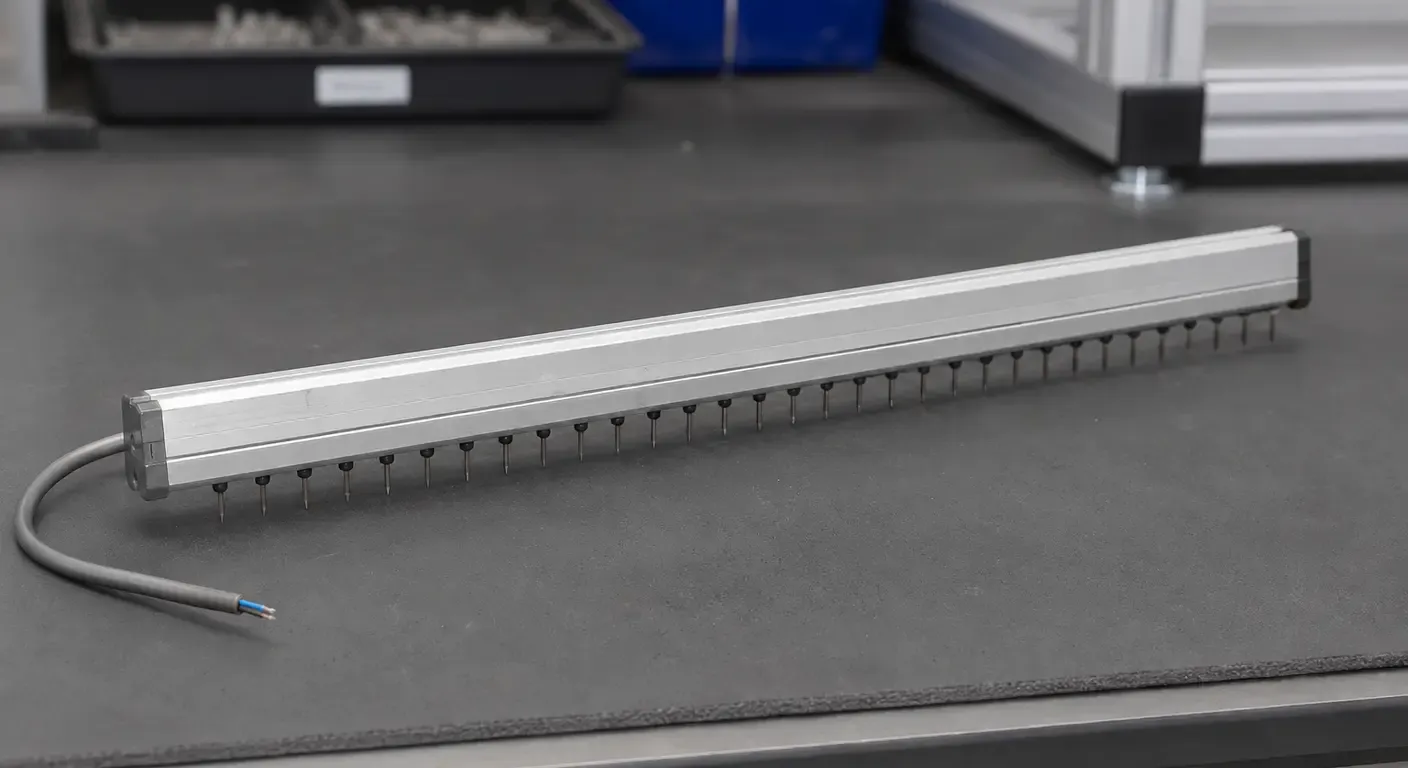
A failed charged plate monitor reading is a maintenance trigger. How to localize the fault, clean and service an ESD ionizer, and know when cleaning is no longer the answer.
· 14 min read
Offset voltage has a fixed limit; discharge time does not. How to run a charged plate monitor check, read the result, and know which standard applies.
· 13 min read