The Future of RISC-V: Decentralizing the Silicon Monopoly
Open-source hardware is gaining real traction in enterprise data centers. A look at the technical hurdles and strategic implications of the RISC-V movement.
By YDT Editorial2 min read
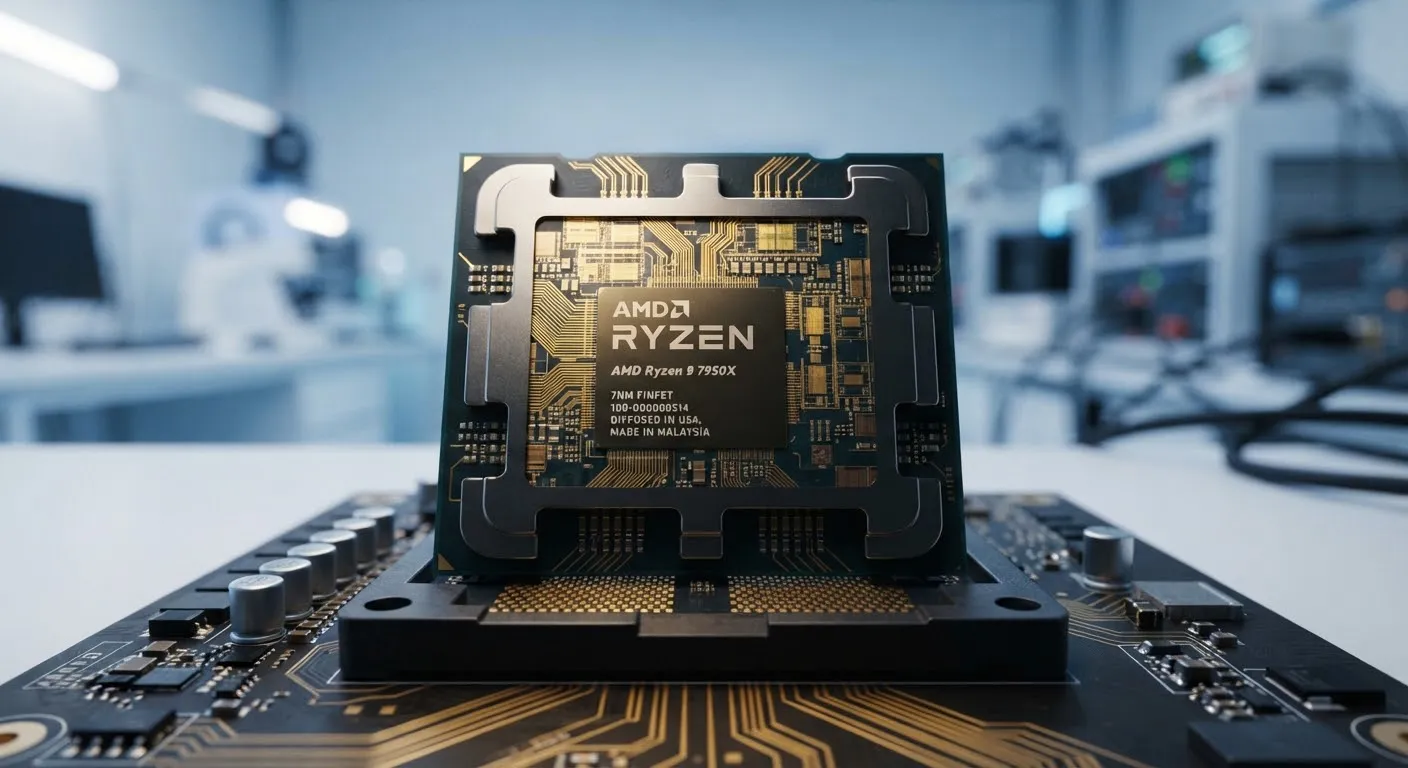
For four decades, instruction set architectures have been controlled by a handful of licensors. RISC-V breaks that model: a free, open ISA that any company can implement, extend, and ship without royalties. What began as an academic project at Berkeley is now backed by every major silicon vendor — and the first serious server-class implementations are reaching production.
Why the data center is the proving ground
Hyperscalers have two structural incentives to adopt RISC-V: cost and control. Custom accelerators for storage offload, network processing, and AI inference do not need binary compatibility with legacy software — they need predictable performance per watt and full control over the microarchitecture. That is exactly the niche where RISC-V designs are landing first, as management cores inside SSD controllers, DPUs, and AI accelerators.
The harder question is general-purpose compute. Server-class RISC-V parts must close the gap on three fronts: single-thread performance, a mature vector extension story (RVV 1.0 silicon is only now becoming common), and platform standardization so that one OS image boots across vendors. The RVA23 profile is the industry’s answer to that fragmentation risk, locking down the baseline feature set that operating systems can rely on.
The software gap is closing faster than expected
Toolchain support tends to lag new architectures by years. RISC-V compressed that timeline: GCC and LLVM upstreamed support early, Debian and Fedora run full package builds, and the major container runtimes ship riscv64 images. The remaining friction is in performance tuning — profile-guided optimization data, hand-tuned kernels for cryptography and codecs, and JIT backends still trail their ARM equivalents.
What to watch
Three signals will indicate that RISC-V is crossing from promising to inevitable: a public cloud offering RISC-V instances at general availability, a flagship mobile SoC shipping a RISC-V application core, and sustained upstream kernel contributions from more than one silicon vendor. None of these are guaranteed — but for the first time, none of them are implausible either.
Filed under
Related articles
Hardware29 min read
Oscilloscope vs Logic Analyzer: Key Differences and How to Choose
Oscilloscope vs logic analyzer: how each instrument measures signals, where each one fails, and how to choose the right tool for analog, digital and mixed-signal debugging.
Hardware3 min read
Implementing High-Efficiency Power Rails in Next-Gen Microelectronics
Power integrity has become the bottleneck for system reliability. How advanced substrates and smarter regulation are changing power delivery design.
Hardware2 min read
ARM Architecture's New Frontier: The 2nm Challenge
The engineering hurdles facing the next generation of mobile and server processors as manufacturing approaches physical limits.
Electronics18 min read
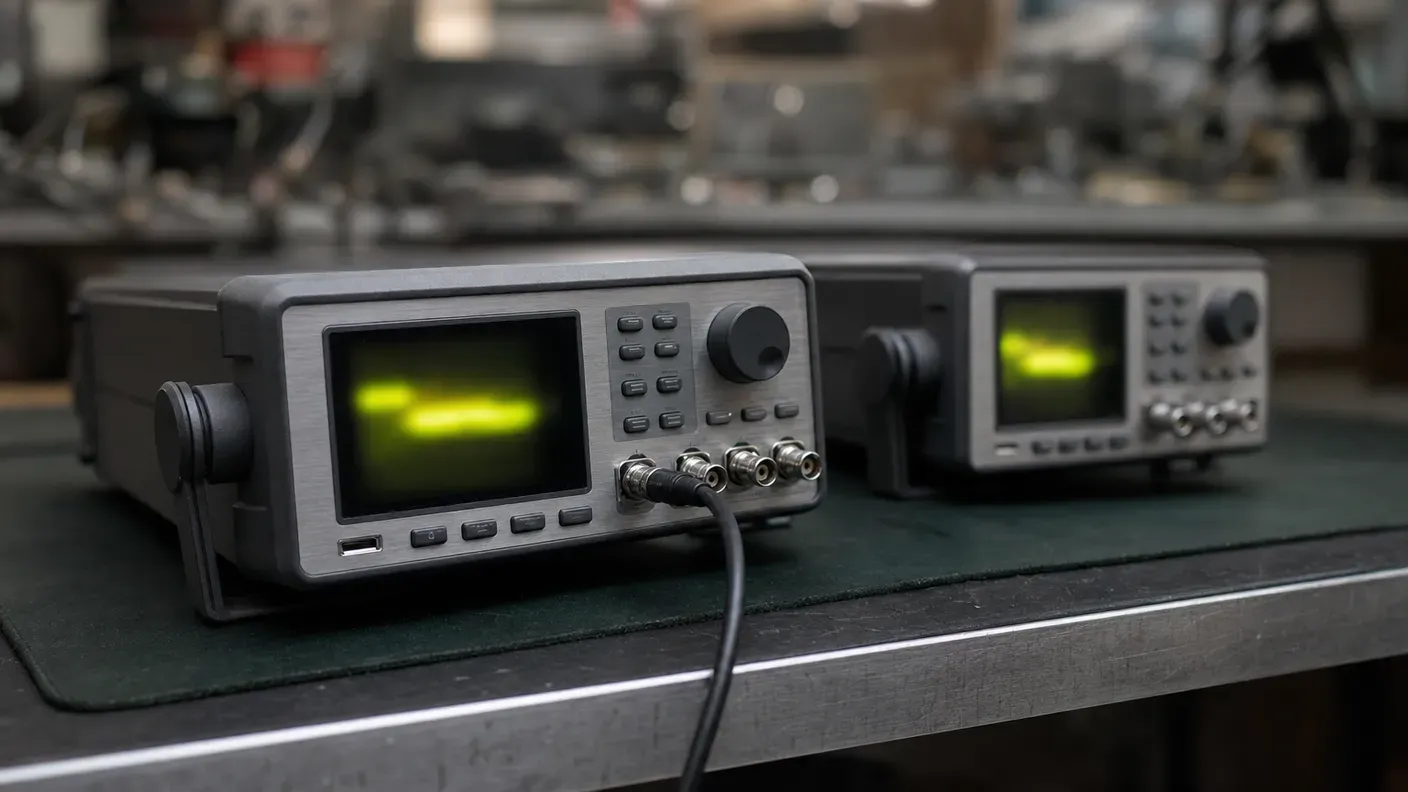
Function Generator vs Arbitrary Waveform Generator: What You Are Buying
Three names, two architectures: how DDS and point-by-point playback differ, what the labels hide, and how to read the architecture off a datasheet.